
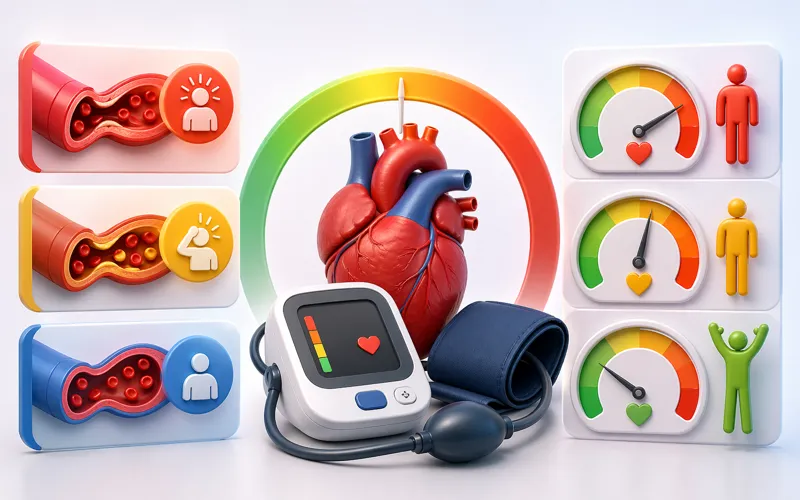
1.28 billion adults globally live with hypertension, a condition defined by persistently elevated blood pressure levels above normal clinical thresholds. Hypertension contributes significantly to cardiovascular disease burden worldwide, with rising prevalence linked to lifestyle, stress, and dietary factors.
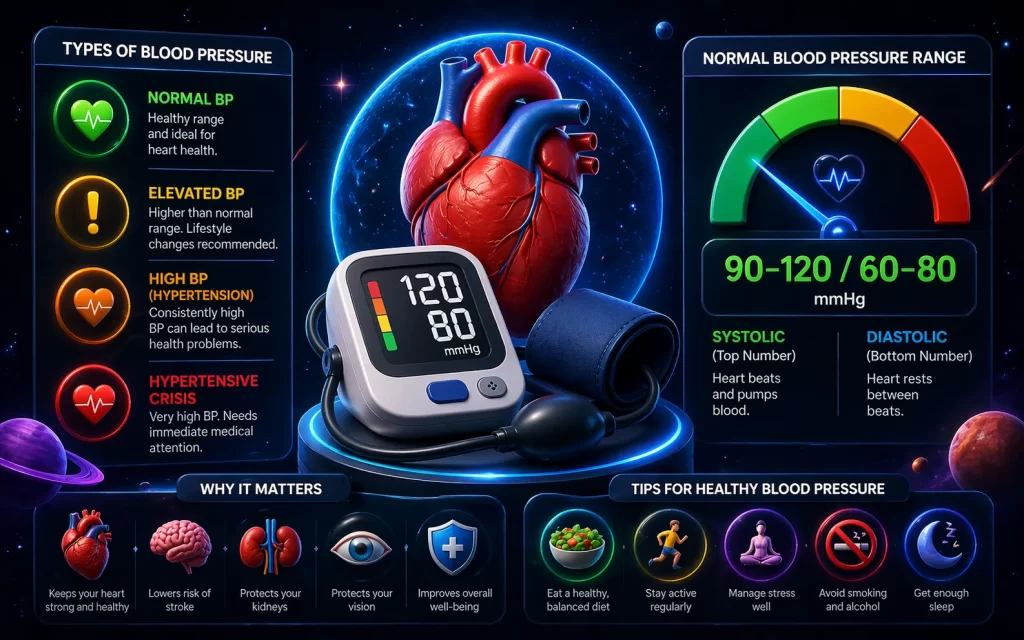
Blood pressure refers to the force exerted by circulating blood on arterial walls during heart contraction (systolic) and relaxation (diastolic). A standard reference for normal blood pressure is around 120/80 mmHg, while deviations from this range indicate conditions such as hypotension or hypertension depending on severity as per WHO.
In Delhi, increasing cases of high blood pressure are observed due to sedentary lifestyle patterns, high salt intake, and environmental stressors. Accurate interpretation of blood pressure range by age, along with understanding systolic and diastolic values, is essential for early detection and management of cardiovascular risk. Consultation at a cardiology hospital in Delhi becomes necessary when readings remain consistently abnormal or symptoms develop.
Blood Pressure Types in Delhi Patients
Blood pressure is clinically classified into five main categories based on systolic and diastolic readings. These categories help cardiology specialists in Delhi assess cardiovascular risk and decide treatment urgency.
1. Low Blood Pressure (Hypotension)
Low BP is typically defined as readings below 90/60 mmHg. It may cause dizziness, fainting, fatigue, or blurred vision due to reduced blood flow to vital organs.
2. Normal Blood Pressure
Normal blood pressure is around 120/80 mmHg, indicating optimal arterial pressure for healthy circulation. This range reflects balanced heart and vascular function.
3. Elevated Blood Pressure
Elevated BP occurs when systolic pressure ranges from 120–129 mmHg while diastolic remains below 80 mmHg. It indicates early vascular stress and risk of progression.
4. Hypertension Stage 1
Stage 1 hypertension is diagnosed when BP ranges from 130–139/80–89 mmHg. It reflects sustained arterial pressure elevation requiring lifestyle modification and possible medication.
5. Hypertension Stage 2
Stage 2 hypertension occurs when BP is ≥140/90 mmHg. It indicates significant cardiovascular strain and requires structured medical management at a cardiology hospital in Delhi to prevent complications.
Systolic and Diastolic Pressure Meaning
Blood pressure readings consist of two values that represent different phases of cardiac activity. Understanding these values is essential for accurate diagnosis of blood pressure abnormalities in Delhi patients.
1. Systolic Pressure
Systolic pressure is the upper number in a BP reading and represents the force exerted on arterial walls when the heart contracts and pumps blood. Normal systolic pressure is typically around 120 mmHg. Elevated systolic values indicate increased cardiac workload and higher cardiovascular risk.
2. Diastolic Pressure
Diastolic pressure is the lower number in a BP reading and measures arterial pressure when the heart relaxes between beats. Normal diastolic pressure is around 80 mmHg. Increased diastolic levels suggest persistent vascular resistance and reduced arterial elasticity.
Normal Blood Pressure Range by Age
Blood pressure values vary across age groups due to changes in arterial elasticity and cardiovascular function. In clinical practice at heart hospitals in Delhi, age-based interpretation helps identify early risk even when readings appear “normal.”
Children and Adolescents
In younger age groups, blood pressure is naturally lower due to smaller arterial size and lower cardiac output. Readings typically remain below adult thresholds and gradually increase with growth and development.
Adults (18–59 years)
For adults, the ideal blood pressure range is approximately 120/80 mmHg. Values consistently above this range may indicate elevated BP or early-stage hypertension requiring monitoring and lifestyle modification.
Elderly (60+ years)
In older adults, systolic pressure often rises due to reduced arterial elasticity. Mildly higher systolic readings may still be considered acceptable depending on overall health condition, but persistent elevation requires evaluation at a cardiology hospital in Delhi to prevent complications such as stroke or heart disease.
Low Blood Pressure (Hypotension) Range and Symptoms
Low blood pressure, also known as hypotension, is typically defined as readings below 90/60 mmHg.
Causes of Low Blood Pressure
Low BP may occur due to dehydration, nutritional deficiencies, prolonged illness, or certain medications. In some cases, sudden drops in blood pressure can also result from prolonged standing or acute fluid loss.
Symptoms of Hypotension
Patients commonly experience dizziness, fainting, blurred vision, fatigue, and lack of concentration due to reduced blood flow to the brain and organs. These symptoms are more noticeable when standing up quickly or during physical exertion.
Blood Pressure Chart for Home Monitoring
Blood pressure chart interpretation helps patients understand whether readings fall within normal, elevated, or hypertensive ranges.
1. BP Readings
Each BP reading consists of systolic (upper value) and diastolic (lower value). A reading like 120/80 mmHg represents normal blood pressure, while higher or lower values indicate potential cardiovascular imbalance.
2. Daily Variation in BP
Blood pressure is not constant and may change due to physical activity, emotional stress, caffeine intake, or sleep quality. Single readings are not diagnostic; multiple readings over time provide a more accurate assessment.
3. Home Monitoring Guidelines
In Delhi cardiology practice, patients are advised to measure BP at the same time each day using a calibrated device, while sitting in a relaxed position. Proper technique reduces measurement errors and helps detect early signs of hypertension or hypotension.
Blood pressure is a vital indicator of cardiovascular health, reflecting how efficiently the heart and blood vessels function. Normal blood pressure typically remains around 120/80 mmHg, while persistent deviations in either systolic or diastolic values may indicate hypotension or hypertension. Age, lifestyle, stress levels, and underlying medical conditions all contribute to fluctuations in blood pressure readings.
Early detection and regular monitoring are essential to prevent complications such as heart disease, heart stroke, and kidney damage. In Delhi, increasing cases of hypertension highlight the importance of structured evaluation, especially when readings remain consistently above or below normal ranges. Timely diagnosis allows for effective management through medication, lifestyle modification, and continuous monitoring under specialist supervision.
At Kalra Hospital, Delhi, patients receive comprehensive cardiology evaluation for blood pressure disorders, including advanced diagnostic testing, hypertension management programs, and individualized treatment plans. If you are experiencing abnormal BP readings, symptoms like dizziness, chest discomfort, or persistent headaches, consulting a heart specialist in Delhi can help ensure early intervention and better long-term outcomes.