








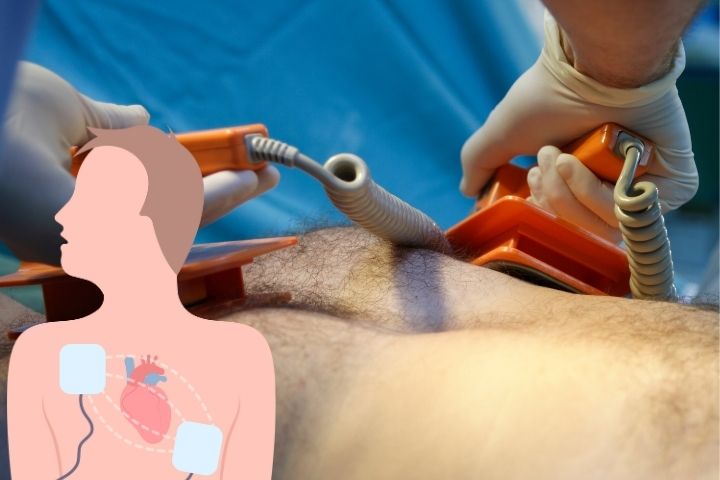
Heart rhythm problems often appear without warning, and they can create fear for patients and families. When the heart beats too fast or in an irregular way, the body struggles to get steady blood flow. Two medical procedures often used in such cases are defibrillation and cardioversion. Both methods use controlled electrical energy, yet their goals, timing, and uses are not the same. Many people assume they work in the same way, but the difference between the two is important because each treatment helps in a specific heart rhythm issue.
This article explains the difference between cardioversion and defibrillation, their meaning, their method, and their role in cardiac care. It also outlines when cardiac surgeon in Delhi choose synchronized cardioversion, when they use electrical cardioversion, and how these procedures support safe heart recovery.
Problem of Heart’s Rhythm
The heart beats with a steady pattern. When this pattern slips, the body feels the change fast. Some people feel light weakness. Others feel short breath or sudden chest discomfort. These issues come from abnormal electrical signals. When the heart loses its natural rhythm, doctors use controlled electric treatment. This is where cardioversion and defibrillation come in.
Even though both use electricity, the goal, strength, and timing are not the same.
What is Cardioversion?
Patients often ask, “What is cardioversion?” Let me explain it in a way that feels clearer.
Cardioversion is a gentle method that restores the heart’s rhythm. It uses a low-energy shock. The shock matches the heart’s electrical cycle. This timing keeps the heart safe during correction.
Cardioversion Treatment Benefits in Delhi
Doctors use cardioversion when the patient is stable but the rhythm is not normal. It works best for:
- Atrial fibrillation
- Atrial flutter
- Certain fast rhythms in the upper chambers
These conditions disturb routine life but don’t always threaten life in that moment.
Two Types of Cardioversion treatment in Delhi
You may hear these two terms in a hospital:
- Electrical cardioversion: A mild shock in a controlled room. Doctors use sedation for comfort.
- Synchronized cardioversion: This method matches the R-wave. This prevents sudden rhythm jumps.
Both are safe in expert hands. Many patients go home the same day.
Defibrillation treatment in Delhi
Defibrillation sounds similar to cardioversion, but it works very differently. This shock is stronger. It is not timed. It aims to stop dangerous electrical chaos inside the heart.
When Cardiology Doctors in Delhi Use Defibrillation
Doctors choose defibrillation only when the situation is life-threatening. This includes:
- Ventricular fibrillation
- Pulseless ventricular tachycardia
- Sudden cardiac arrest
In these cases, the heart shakes instead of pumping. Blood flow drops. Seconds matter. Defibrillation resets the heart so it can beat again.
Difference between Cardioversion and Defibrillation
Let me explain it as I do with patients. The heart has an internal rhythm cycle. Cardioversion respects this cycle. Defibrillation interrupts it entirely. That is the easiest way to remember the difference.
- Timing: Cardioversion is timed. Defibrillation is instant.
- Energy strength: Cardioversion uses low power. Defibrillation uses high power.
- Type of rhythm: Cardioversion fixes stable arrhythmias. Defibrillation fixes lethal ones.
- Patient condition: Cardioversion helps alert patients. Defibrillation helps collapsed patients.
Best cardiology Hospital in Delhi
Doctors rely on the ECG first. This test shows the exact rhythm. They also check:
- Pulse
- Blood pressure
- Consciousness
- Oxygen levels
- Medical history
If the patient is stable, cardioversion may help. If the patient is pulseless or unconscious, defibrillation becomes urgent.
Why People in Delhi Often Confuse Both Terms
Delhi has many advanced heart centers, yet patients remain unsure. Most confusion comes from the appearance of the procedure. Both involve pads. Both use a device. And both include the word “shock.”
But cardioversion is planned. Defibrillation is emergency care. The emotional difference is big, but patients only see the machine, so fear grows.
My goal here is to remove that fear.
Process of Cardioversion: What Really Happens
Cardioversion feels simple once you know the steps. Doctors usually follow this plan:
- Check blood reports.
- Review heart rhythm.
- Give short sedation.
- Apply pads.
- Deliver a timed shock.
- Observe heart rhythm again.
Patients wake within minutes. Many feel better quickly. Some feel mild chest soreness for a day.
Process of Defibrillation: What Happens in an Emergency
This process is fast and firm. When someone collapses, the team acts in seconds.
- They check the pulse
- Confirm the rhythm
- Clear the area
- Deliver a strong shock
- Continue CPR if needed
The goal here is survival. There is no waiting. No sedation. No delay. The shock resets the heart instantly.
Are These Procedures Considered Heart Surgery in Delhi?
Many patients ask about cardioversion surgery or defibrillation surgery. The truth is that neither is a surgery. There are no cuts. No stitches. No long stay.
Still, some people may later need:
- Pacemaker
- ICD implant
- Ablation therapy
These depend on the cause of the rhythm problem.
Patients often search for the best heart hospital in Delhi or the top cardiology hospital in Delhi because these procedures demand accuracy.
Lifestyle Steps After Rhythm Correction
The rhythm may return, but care should continue. Doctors may suggest:
- Light exercise
- Low-salt meals
- No smoking
- Controlled alcohol
- Regular ECG checks
The heart’s rhythm decides how the body feels. When the rhythm slips, doctors use cardioversion or defibrillation to restore balance. One is gentle and planned. The other is powerful and urgent. Understanding this difference prepares you for informed care.
Kalra Hospitals are one of the top heart hospital in Delhi offers strong cardiac support, modern rhythm-care systems, and trained specialists who respond with clarity and confidence. Our team guides patients through diagnosis, treatment, and after-care with steady skill and compassionate care. When the heart needs support, timely help makes all the difference.
FAQs
Yes. It is controlled, mild, and done under supervision.
Doctors give sedation during cardioversion. Defibrillation is used only in emergencies.
It means the shock matches the heart’s R-wave. This help avoid sudden rhythm jumps.
It resets chaotic electrical signals so the heart can beat again with force.
Yes. Many centers have modern devices and trained heart teams.